Bounds Green Road rubbish collection guide for residents
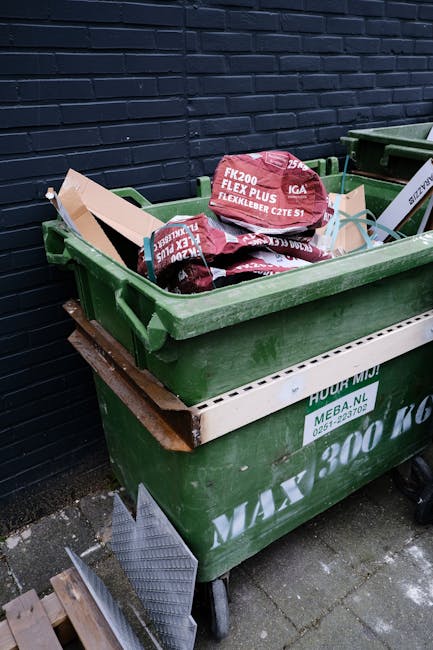
If you live on or near Bounds Green Road, rubbish has a funny way of becoming urgent at the least convenient moment. A clear-out that starts with one black bag can quickly turn into a hallway full of cardboard, broken furniture, garden cuttings, and a load you do not really want sitting outside for another week. This Bounds Green Road rubbish collection guide for residents is here to make the whole process simpler, safer, and far less stressful.
Whether you are tidying a flat, shifting renovation debris, clearing a loft, or just trying to get bulky waste gone without the usual faff, the right approach depends on space, timing, access, and what kind of waste you have. Below, you will find a practical, local-minded breakdown of how rubbish collection works, when to use a skip or a man and van service, what to avoid, and how to keep everything compliant and tidy. Not glamorous, but genuinely useful.
Why Bounds Green Road rubbish collection guide for residents Matters
Rubbish collection is one of those household jobs that looks small until it starts affecting everyday life. On Bounds Green Road, where homes, flats, shops, and busier stretches of street can all sit close together, waste needs to be managed with a bit of thought. Otherwise it becomes an eyesore, a nuisance, or even a hazard.
For residents, good rubbish collection matters for a few simple reasons:
- Space is limited. Many homes do not have large storage areas for holding waste while you decide what to do next.
- Access can be awkward. Narrow stairwells, shared entrances, and on-street parking make bulky waste harder to move.
- Wrong disposal can be costly. Mixed waste, restricted items, and overfilled containers often cause delays or extra charges.
- Safety matters. Heavy items, glass, fridges, old paint, and loose rubble are all easy to handle badly if you are rushing.
In our experience, most problems start with uncertainty, not bad intent. People simply do not know whether they need a skip, a single-item collection, or a fuller rubbish removal service. A good guide should remove that guesswork.
It also helps to think beyond the immediate clearance. Better waste handling usually means better recycling, cleaner communal areas, and fewer repeat trips to the pavement. That is a small thing on paper, but on a rainy weekday evening it can feel like a very big relief.
How Bounds Green Road rubbish collection guide for residents Works
Rubbish collection for residents usually follows one of three patterns: you either put out waste for a scheduled collection, book a collection service to remove items directly, or arrange a skip or wait-and-load solution if there is more to shift.
For a typical household job, the process usually looks like this:
- Identify the waste type. General household rubbish, garden waste, furniture, appliances, and renovation material are handled differently.
- Estimate the volume. A few bags is not the same as a room full of belongings or a full kitchen rip-out.
- Check access. Can a vehicle stop nearby? Is there room for a skip? Are there stairs, gated entrances, or loading restrictions?
- Choose the right collection method. This may be a domestic skip, a wait-and-load service, or a man and van clearance.
- Separate restricted items. Hazardous waste, confidential documents, and some appliances often need specific handling.
- Book, prepare, and load safely. Clear a path, keep heavy items accessible, and avoid mixing forbidden materials with general waste.
If you are new to this, the main thing to remember is that not all waste behaves the same way. A sofa, a pile of soil, and a broken fridge are all "rubbish" in the everyday sense, but they are not treated the same operationally. That distinction matters a lot.
For larger domestic jobs, it may be worth checking domestic skip hire or looking at skip sizes and prices before you do anything else. A quick comparison at the start can save a lot of back-and-forth later.
Key Benefits and Practical Advantages
A properly planned rubbish collection brings a few immediate advantages that residents notice straight away.
- Less disruption. You do not spend days living around piles of waste.
- Cleaner shared spaces. This matters especially in flats and terrace properties where bins and entrances are shared.
- Safer handling. Heavy or sharp waste is removed by people used to moving it without making a mess of the hallway.
- Better recycling outcomes. A well-organised collection service can separate recyclable materials more effectively.
- More predictable costs. Knowing the volume and type of waste helps prevent surprise charges.
There is also a mental benefit, which people sometimes underestimate. Once the rubbish is gone, the room looks bigger, the house feels calmer, and the job stops hanging over you. That "finally done" feeling is no small thing.
If your waste includes old appliances or awkward furniture, specialist services can help keep everything moving efficiently. For example, a local plan might include fridge and appliance removal or mattress and sofa disposal instead of trying to force those items into a general collection route that is not really suited to them.
Who This Is For and When It Makes Sense
This guide is useful for a wide range of residents, not just people doing major refurbishments. If any of the scenarios below sound familiar, you are in the right place.
- Flat dwellers clearing storage space. Loft boxes, spare chairs, worn-out furniture, and old electronics can stack up fast.
- Families after a seasonal clear-out. You know the kind of thing: broken toys, packaging, duplicated household bits, and that one drawer full of cables nobody wants to admit belongs to them.
- Homeowners doing DIY. Bathroom rip-outs, old plasterboard, broken tiles, and general renovation debris need proper handling.
- Gardeners and outdoor tidy-up crews. Branches, hedge trimmings, soil, and old fence panels often need a dedicated collection route.
- Landlords or agents between tenancies. End-of-tenancy waste and abandoned items often need quick, reliable clearance.
It also makes sense when timing matters. If you have an estate agent viewing, a contractor arriving, or family coming over at the weekend, you may need waste gone quickly rather than "at some point next week." That is where a same-day option can be useful, provided access and availability line up. For urgent jobs, see same-day skip hire as one possible route.
And if your space is tight, you may find a wait and load skip hire arrangement works better than leaving a container outside. Simple, but very handy on a busy road.
Step-by-Step Guidance
Here is a practical way to handle rubbish collection without turning it into a weekend ordeal.
1. Sort your waste into clear groups
Start by separating what you have into broad categories: general waste, bulky household items, garden waste, construction debris, and anything potentially hazardous. You do not need museum-level perfection here. Just be sensible.
A good first sort makes collection easier and often cheaper. It also helps you spot items that need special disposal before they are mixed in with everything else.
2. Remove anything that should not go in a mixed collection
Paint tins, chemicals, gas bottles, asbestos, medical waste, and some electricals need extra care. If in doubt, stop and check. It is far better to ask a question than to create a contaminated load. That is one of those moments where "I'll just put it in anyway" becomes an expensive sentence.
For sensitive or risky waste, it may be appropriate to look at hazardous waste disposal. If the job includes confidential paperwork, confidential shredding can protect privacy as well as keep the clear-out moving.
3. Measure the volume realistically
People often underestimate waste volume. A single bulky wardrobe can take up more space than six or seven bags once it is broken down. On the flip side, a small load of garden clippings may fit in a compact arrangement with room to spare.
If you are unsure, compare options first. Use what can go in a skip as a quick reference point, then look at skip sizes and prices so you are not overbuying or underbooking.
4. Check access and placement
Think about where the vehicle can stop, where loading will happen, and whether there is room to place a skip safely. On a road like Bounds Green Road, traffic flow, kerb space, and neighbour access all come into play.
If a skip must go on the public highway, a permit may be needed. If you are not sure, it is worth reading about skip hire permits or the broader skip permits guidance before booking.
5. Choose the service that matches the job
For a small domestic clear-out, a straightforward man and van style collection may be enough. For repeated trades waste or a larger household renovation, a skip may be better. For awkward access or short parking windows, wait-and-load can be the neatest option.
This is where a bit of honest judgement helps. Not every job needs the biggest solution. Sometimes a smaller, quicker collection is the smartest one. To be fair, that is usually the least frustrating choice too.
6. Prepare the waste for collection day
Break down cardboard, remove loose items from furniture where practical, and make sure heavy items are easy to reach. Keep walkways clear so loading can happen smoothly. If you live in a shared building, give neighbours a little warning if the collection might briefly affect the entrance or pavement.
Then step back and let the team handle the heavy lifting. That is the point, after all.
Expert Tips for Better Results
Little decisions make a big difference when you are organising rubbish collection on a busy London street.
- Separate bulky items early. Sofas, mattresses, and appliances can distort your estimate if they are left till the end.
- Keep recyclable material cleaner. Cardboard, metal, and green waste are easier to process when they are not mixed with food waste or liquids.
- Book a service that suits your access. If parking is difficult, a collection model that avoids long roadside placement can save headaches.
- Confirm timings in advance. Morning collections often work well because the street is quieter and loading is simpler.
- Ask about recycling and disposal routes. Good operators should be able to explain how waste is handled in broad terms.
A small but useful tip: take photos of the waste before you book. It sounds almost too obvious, but it really helps when you are comparing options or explaining an awkward pile of mixed items. A quick picture beats a vague "it's a bit of everything" conversation every time.
If your clear-out is tied to building work, it can help to read about builders skip hire or builders waste removal. For more substantial projects, construction waste disposal and demolition waste removal are the more suitable routes.
Common Mistakes to Avoid
Most rubbish collection problems are avoidable. They happen because the job was rushed, guessed, or left until the last minute. Very human, honestly.
- Mixing restricted items into general waste. This is one of the easiest ways to cause delays.
- Underestimating volume. A small skip or collection slot fills faster than people expect.
- Ignoring access restrictions. A service cannot help much if the vehicle cannot park near the property.
- Leaving waste loose and scattered. That slows down loading and increases the chance of damage.
- Forgetting about permit requirements. If something sits on the road, there may be rules to follow.
- Booking the wrong type of service. A one-off household collection is not the same as regular commercial waste handling.
Another common mistake is assuming all items can be bundled together and sorted later. Sometimes that works. Often it does not. If you have a mix of rubble, garden waste, and old electricals, it is worth separating them before collection day rather than crossing your fingers.
Tools, Resources and Recommendations
You do not need a van full of gear to organise rubbish collection properly, but a few simple tools help.
- Heavy-duty sacks or rubble bags for baggable waste.
- Gloves and sturdy shoes to handle sharp or rough items safely.
- Marker tape or labels if you are splitting materials into groups.
- Measuring tape for checking access, gates, or lift dimensions.
- Phone photos to show the waste clearly when requesting advice.
For service selection, these pages are especially relevant: rubbish removal, domestic skip hire, skip hire, and grab hire services. If your waste is large, awkward, or piled in a place with limited access, grab lorry hire may be a more efficient fit.
For specialist household items, there are also useful dedicated routes like house clearance, garage and loft clearance, and garden waste removal. Choosing the right one helps avoid paying for capacity you do not need.
Law, Compliance, Standards, or Best Practice
Waste disposal in the UK is not something to treat casually. You do not need to become a legal expert, but you should understand the basics.
As a resident, your main responsibilities are straightforward: keep waste secure until collection, do not dump items illegally, and make sure restricted materials are dealt with properly. If you hire a service, it is sensible to use a provider that can explain how waste is handled and recycled in broad terms. Good operators should also have clear health and safety practices.
If a skip is used on public land or the highway, permit rules may apply. The exact process depends on local authority requirements, so the safe approach is to check before placing anything on the road. That includes the sort of thing people assume is "probably fine" because it is only for a day. Often, that is exactly how minor issues become avoidable headaches.
In practical terms, best practice looks like this:
- keep waste segregated where possible
- do not overload containers
- avoid placing dangerous items into mixed loads
- use appropriately insured, safety-conscious providers
- make sure the collection method suits the site conditions
If you want reassurance on safety and how a provider handles your items, the pages on health and safety policy, insurance and safety, and waste recycling services are useful places to look.
Options, Methods, or Comparison Table
Choosing the right rubbish collection method is usually about access, waste type, and how fast you need the job done. Here is a simple comparison to help narrow it down.
| Option | Best for | Strengths | Watch outs |
|---|---|---|---|
| Rubbish removal | Mixed household waste, bulky items, general clear-outs | Simple, flexible, often quick | May not suit larger volumes or repeated waste |
| Skip hire | Renovations, ongoing clear-outs, larger loads | Convenient if you need time to fill it | Space and permit issues may apply |
| Wait and load | Properties with no room for a skip | No long roadside storage | You need to be ready when the vehicle arrives |
| Man and van | Moderate household loads, furniture, fast clearances | Good for awkward items and direct loading | Less suitable for very large or loose bulk waste |
| Grab hire | Heavy, loose, or difficult-to-access waste | Efficient for bulk and mixed material | Needs enough access for the vehicle |
There is no single "best" option. The right answer depends on the property and the mess. A loft clear-out in a top-floor flat is a different beast from a driveway renovation job, and trying to treat them the same usually ends badly.
Case Study or Real-World Example
A fairly typical situation goes like this. A resident on Bounds Green Road decides to clear out a spare room before new flooring is fitted. At first glance, it looks like a handful of bags, an old wardrobe, two mattresses, and some dismantled shelving. Nothing dramatic.
Then the sorting begins. The wardrobe turns out to be too large to carry down the stairs in one piece. The mattresses cannot just be left with the general rubbish. There is also a pile of cardboard, a few broken bits of plasterboard from a previous DIY attempt, and some old small electrical items hiding under the bed. Classic.
After checking access, it becomes obvious that leaving a skip outside would be inconvenient because of road space. So the resident chooses a direct removal service and adds separate handling for the mattress and appliance items. The whole job is lifted in one visit, the hallway is cleared, and the room is ready for flooring the next morning.
The lesson is simple: when you match the method to the waste and the access, everything runs more smoothly. That saves time, yes, but it also reduces the awkward scramble on the day when you realise the sofa will not fit through the door. Been there? Many people have.
Practical Checklist
Use this checklist before your collection day.
- Have I sorted waste into general, bulky, garden, building, and restricted items?
- Do I know roughly how much waste there is?
- Have I checked whether any item needs specialist handling?
- Is there enough access for the vehicle or container?
- Do I need a permit if anything goes on the road?
- Have I broken down flat-pack items, cardboard, or dismantled furniture where practical?
- Are walkways clear for safe lifting?
- Have I photographed the load if I need advice first?
- Do I know the collection time and contact details?
- Have I chosen the right service type for the job?
If you can answer yes to most of those, you are in good shape.
Conclusion
Rubbish collection on or near Bounds Green Road does not need to be complicated. Once you know what type of waste you have, how much space you are dealing with, and whether access is tight, the right solution becomes much easier to spot. That is really the heart of this guide: less guessing, more practical planning.
For some residents, a simple rubbish removal service will be the quickest win. For others, skip hire or wait and load skip hire will fit better. And for awkward access, bulky loads, or mixed materials, grab hire services may save you a lot of hassle. Pick the method that suits the job, not the other way around.
Get a free quote today and see how much you can save.
With a little planning, even a messy clear-out can end in a clean floor, open space, and that satisfying feeling that the worst bit is finally behind you. Honestly, that's the bit people remember.
Frequently Asked Questions
What is the best rubbish collection option for residents on Bounds Green Road?
It depends on the amount and type of waste, plus how easy it is to access your property. For small to medium clear-outs, rubbish removal or man and van collections often work well. For larger or ongoing jobs, skip hire may be more suitable.
Do I need a permit for a skip on Bounds Green Road?
If the skip is placed on the public highway or road, a permit may be required. If it sits entirely on private land with suitable access, a permit may not be needed. Always check before booking so you are not left juggling last-minute issues.
Can I put sofas and mattresses in a general rubbish collection?
Sometimes yes, but they are usually better handled through dedicated services because they are bulky and awkward. Using a specific route for these items is often simpler and avoids loading problems.
What should I do with fridges and other appliances?
Fridges, washing machines, ovens, and similar items are best treated as specialist waste. They should not be assumed to go with normal household rubbish. Dedicated appliance removal is the safer and cleaner option.
Is wait and load better than hiring a skip?
Wait and load can be better if you have no room for a skip, do not want anything left outside, or need a quick turnaround. A skip is usually better if you need time to fill it gradually.
How do I know what size collection I need?
Start by separating the waste and estimating how many bags, bulky items, or rubble piles you have. If you are unsure, compare the load with a size guide before booking. A few photos can also help a provider advise you properly.
Can garden waste be collected with household rubbish?
It can sometimes be collected together, but garden waste is often easier to process separately. If you have branches, turf, soil, and green clippings, a dedicated garden waste service may be the cleaner choice.
What happens if my waste includes hazardous items?
Hazardous items need separate handling. Do not mix paint, chemicals, gas bottles, asbestos, or similar materials into a general load. Check the specialist disposal route first so nothing unsafe is placed in the wrong container.
How quickly can rubbish be collected?
That depends on demand, access, and the type of service you need. Some jobs can be arranged very quickly, especially if you are flexible. More complex clearances may need a little more planning.
What is the most common mistake residents make?
The biggest mistake is underestimating the amount or complexity of the waste. People often assume everything will fit neatly into one simple collection, and then discover a sofa, a fridge, and mixed debris do not behave the same way at all.
Can I use one service for a whole house clearance?
Yes, and that is often the most practical way to deal with a major clear-out. A dedicated house clearance service can be a better fit when there are multiple rooms, bulky furniture, or a lot of mixed items to remove.
How can I make rubbish collection cheaper or more efficient?
Sort items before collection, separate restricted waste, break down bulky pieces where possible, and choose the service that matches the volume. Accurate planning tends to save money because it reduces wasted capacity and avoidable complications.
Where can I find more information about pricing and service options?
For a clearer picture, look at pricing and quotes alongside the relevant service pages. That usually gives you a better sense of what fits your situation without guessing in the dark.
If you would like to learn more about the company behind these services, you can also visit about us or get in touch through the contact page. For booking and practical scheduling, book online is the most direct route.